AI Systems Audit and Strategy Discovery
We audit your existing systems, workflows, and decision points to identify where AI can create measurable value and define a practical strategy.
/~
One-connected source of truth across all your data to make your work observable, your decisions grounded, and your actions governed around how your team actually works.
/ How It Works
We work with your team to understand the systems, workflows, decisions, and review habits already in motion, then keep working alongside you as the operating layer is deployed, adopted, and expanded across the business.
/ Our Services
We audit your existing systems, workflows, and decision points to identify where AI can create measurable value and define a practical strategy.
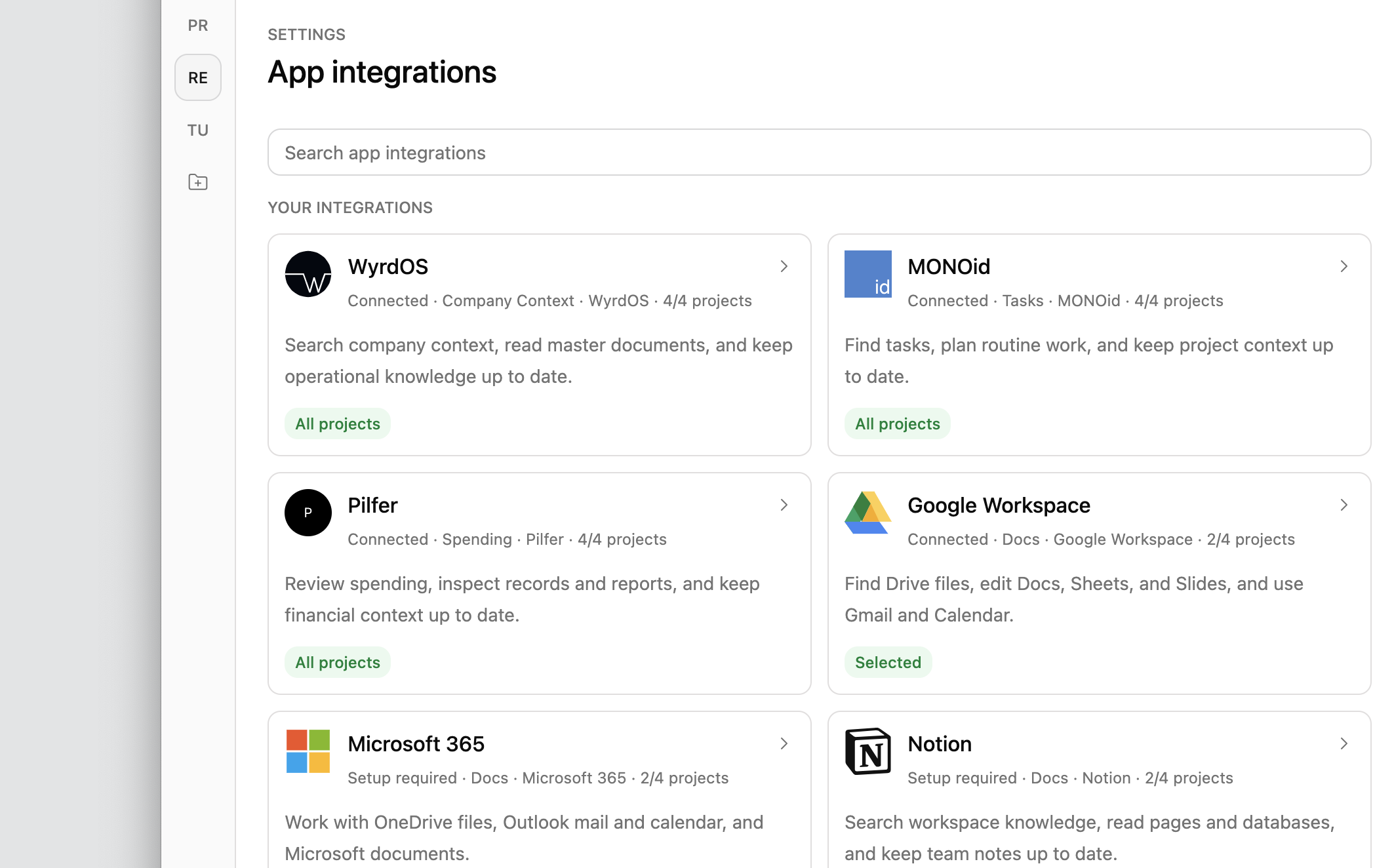
We connect your approved CRM, ERP, documents, communications, and specialist tools into one reliable operating context.
We deploy a ready-built platform with ontology, data mapping, a local AI agent interface, simple workflows, and more out of the box, then configure it around your operation.
We design, build, and test AI-native workflows around how your team actually reviews, decides, approves, and follows through.
We onboard your team and provide practical, role-specific training so everyone can adopt and use the new workflows confidently.
We monitor, maintain, and improve your systems through regular updates, issue resolution, and ongoing optimisation as your operation evolves.
/ Business Outcome Examples
Clear ROI starts with a defined business outcome. Every engagement and optimisation is targeted toward improving that outcome, whether reducing rework, increasing fulfilment accuracy, improving service, controlling change, or accelerating supplier decisions. Value is measured in the operation, not in abstract AI activity.
For manufacturers balancing smaller runs, complex specifications, factory updates, and customer expectations across disconnected systems.
Target deployments
For teams comparing suppliers and opportunities while qualification, payment, logistics, and relationship context moves across markets and channels.
Target deployments
For multi-property groups making guest, commercial, and investment decisions across local operations, central teams, and expanding markets.
Target deployments
For operators coordinating product, inventory, customer service, and preparation across shops, warehouses, kitchens, and messaging channels.
Target deployments
For founder-led studios that need to preserve design judgement, reduce repeated review work, and coordinate collaborators across projects and markets.
Target deployments
For developers and delivery teams keeping revisions, decisions, responsibilities, and management reporting aligned across the project lifecycle.
Target deployments
/ Operating Platform
Starting from a three-layer model of professional work, this gives every deployment a common structure while still allowing the system to be configured around the language, workflows, systems, and constraints of each practice.
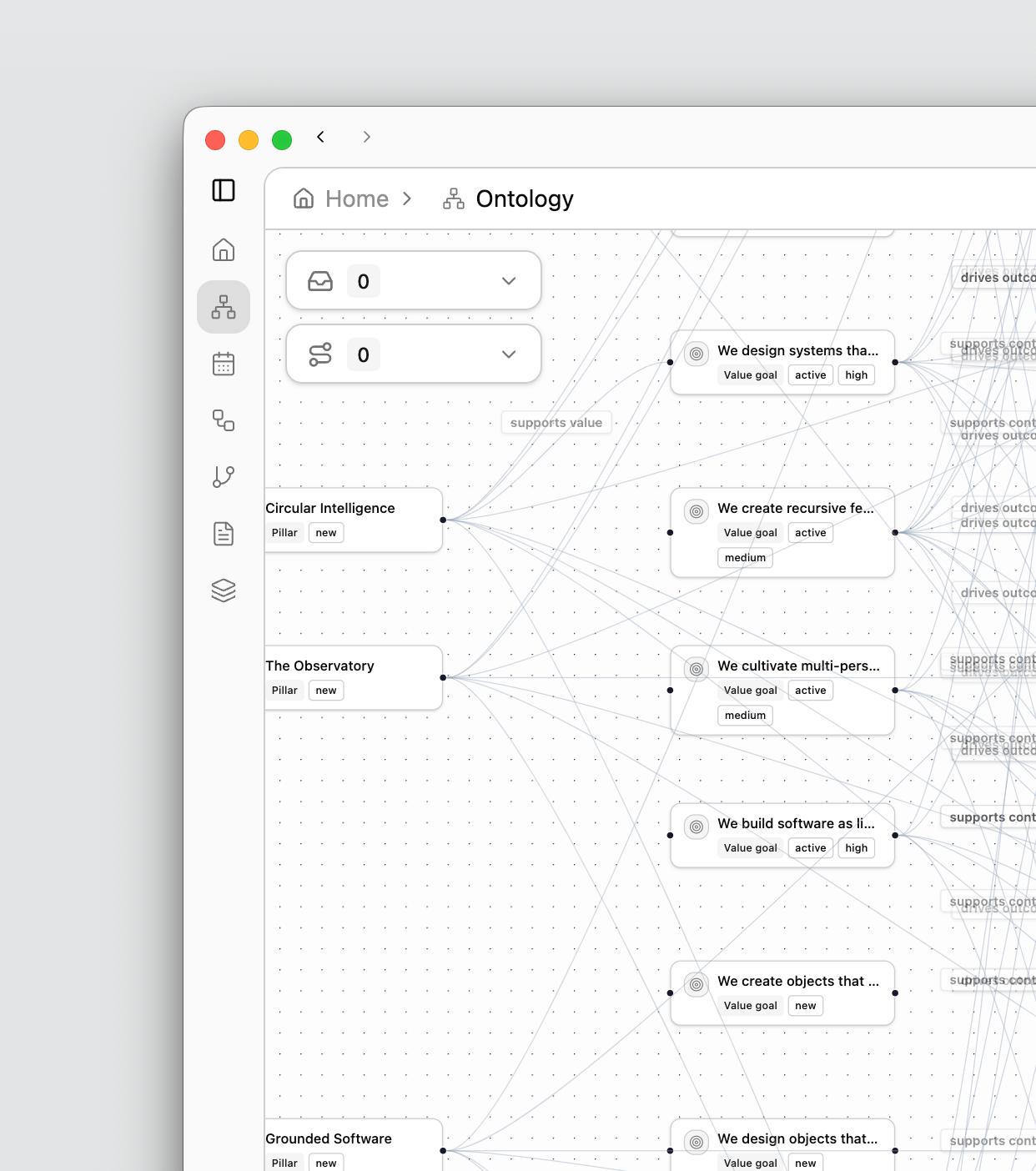
The shared model of how the practice thinks: principles, terminology, goals, standards, and the reasons decisions are made a certain way.
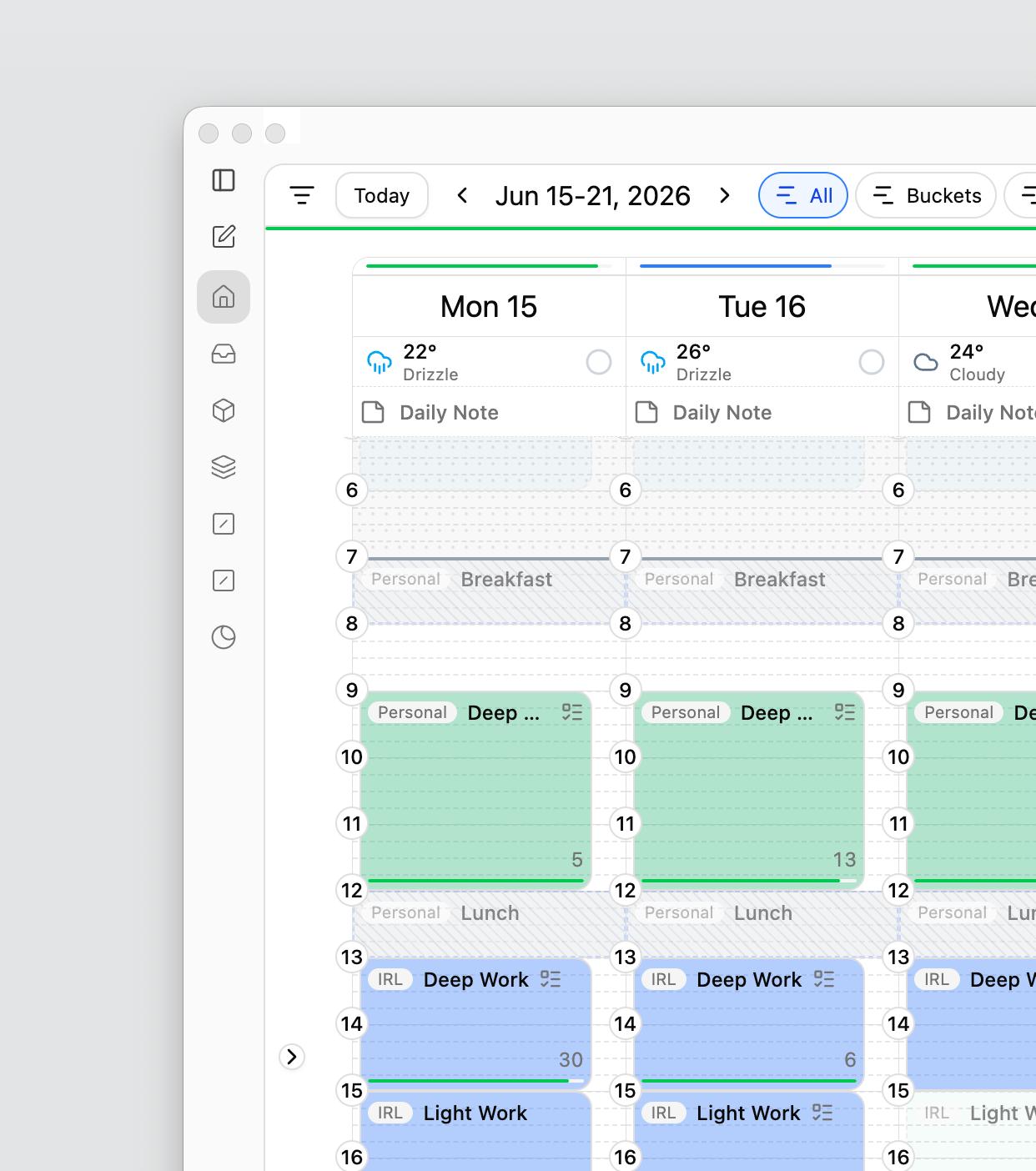
The repeated operating rhythm of the practice: reviews, handovers, follow-ups, ownership, deadlines, and moments where judgment is required.
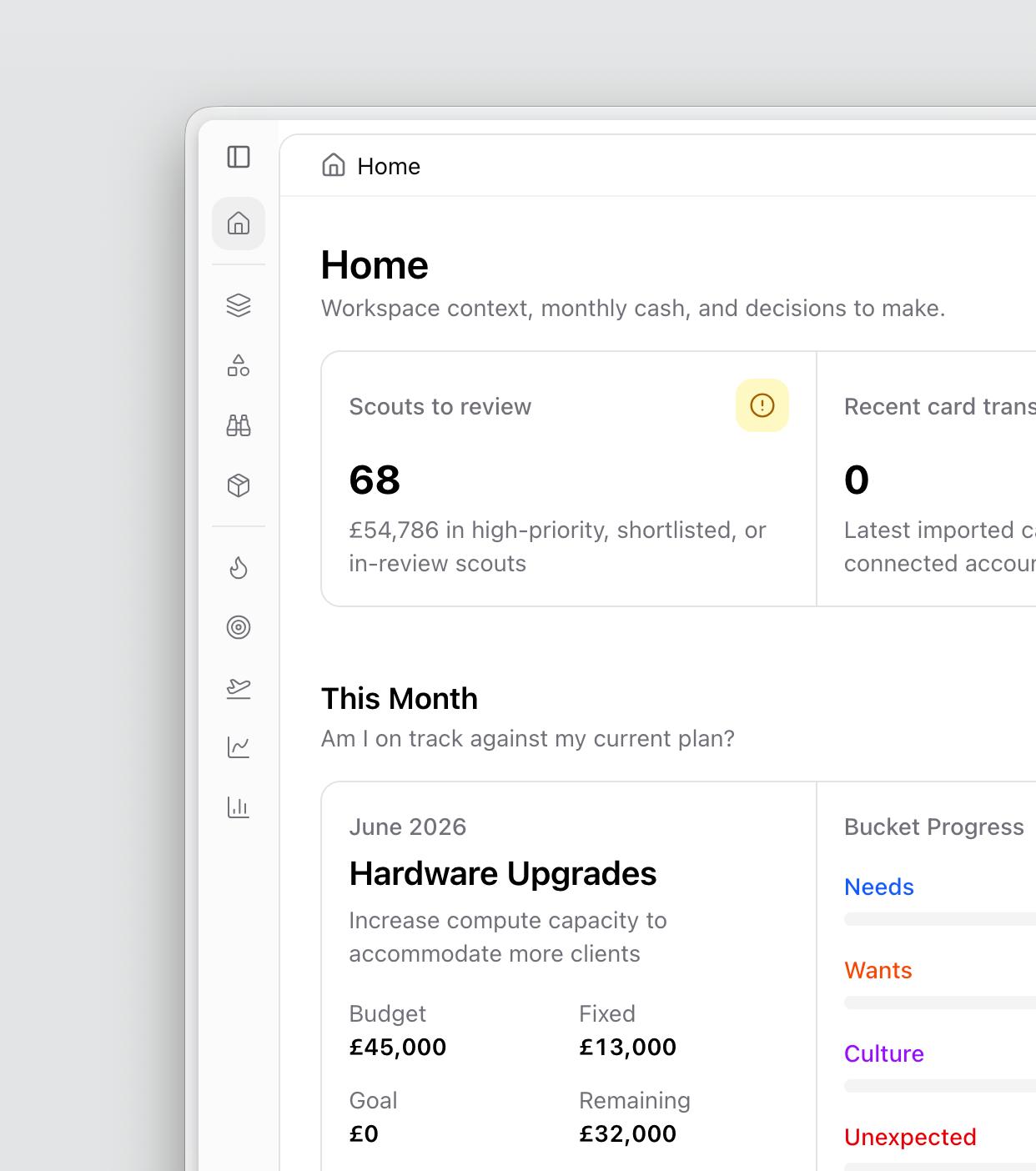
The resource context behind the practice: subscriptions, vendors, tools, and commitments understood by what they support and who owns them.
/ Orchestration layer
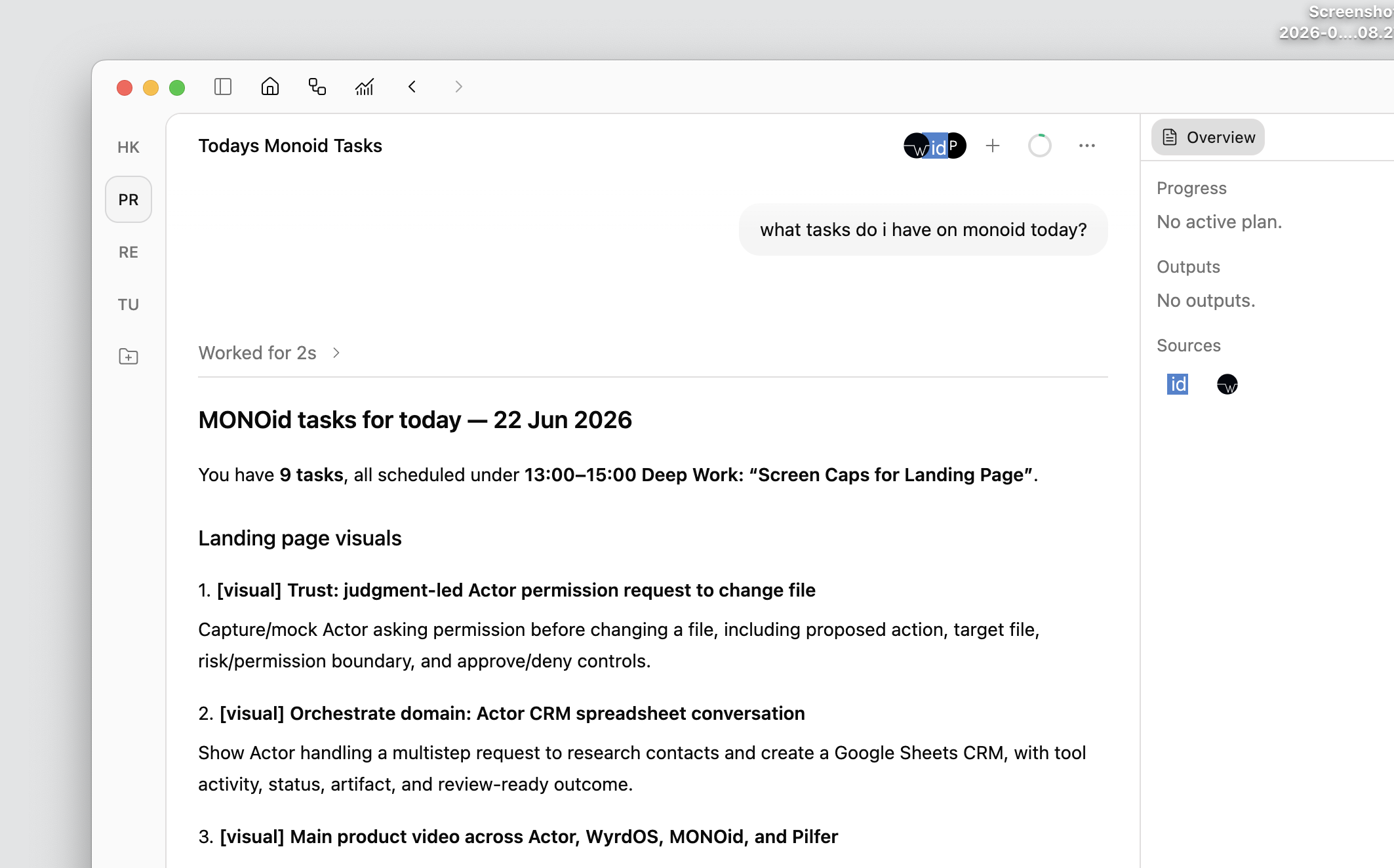
Minimal-setup custom agent harness connected directly to your operating twin out of the box. It can answer questions, complete bounded tasks, set up workflows, prepare summaries and follow-ups, and queue actions for human review before anything important is written or sent.
/ Trust and control
Proximity is built for environments where expertise, accountability, and professional discretion matter. The system can prepare context, surface patterns, draft next steps, and organize review queues, but sensitive decisions and external actions remain governed by the people responsible for the work.
/ Deployment and data control
Proximity does not require every practice to adopt the same hosting, model, or data posture. Each deployment can be configured around the organization's infrastructure requirements, approved model providers, existing subscriptions, and internal governance policies.
Run Proximity in a managed tenant or self-host it within the organization's own environment.
Use approved model providers and existing subscriptions instead of being locked into a single model stack.
Keep operating context, permissions, and access scoped to the teams, workflows, tenants, and environments defined for the deployment.
/ Start
Begin with a focused review rhythm, workflow, or team where better operating context would immediately change the quality of preparation and judgment.


